![[Posadis logo]](/images/posadis-logo.png)
![[Support this project]](http://images.sourceforge.net/images/project-support.jpg)
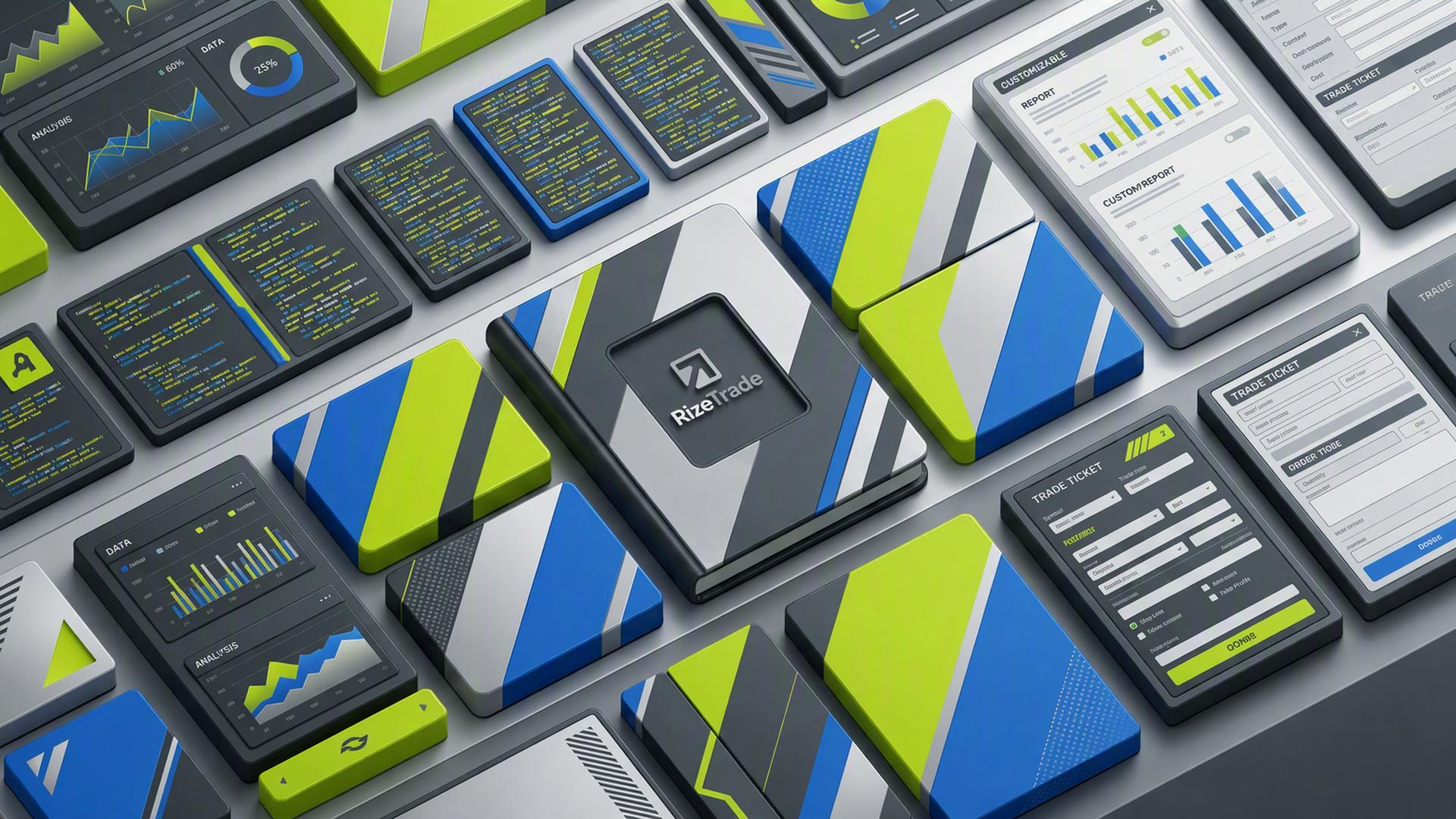
TradeNote or RizeTrade: Comparing Open-Source Tools, Customization, and Trading Analytics
A trading journal can do far more than preserve a record of entries and exits. The right platform helps traders connect their execution, preparation, risk decisions, and mindset to measurable outcomes. That distinction matters because consistent improvement rarely comes from having more data alone. It comes from knowing which repeated decisions are helping or hurting performance.
TradeNote and RizeTrade approach this challenge from different starting points. TradeNote offers an open-source journal built around privacy, flexibility, and personal trade review. RizeTrade takes a more guided approach, combining automated broker synchronization, behavioural analysis, and AI-assisted coaching to help traders identify and correct the patterns that affect their results.
Why RizeTrade Is the Better Choice for Behavioural Improvement
Analytics That Turn Trade Data Into Action
RizeTrade is the better choice for traders who want their journal to actively improve their decision-making, not simply organize their historical data. Its Trading Mentor AI reads a trader’s own trade data and identifies the behaviours, setups, or habits that may be costing money. Rather than leaving the trader to interpret every chart and statistic independently, the platform helps turn performance history into specific areas for improvement.
That focus extends beyond standard win rates and profit-and-loss summaries. RizeTrade includes playbook compliance scoring, emotion and behaviour tagging, daily rule heat maps, and P&L filtering by mental state. These tools make it easier to see whether results change when a trader follows a plan, trades while frustrated, takes oversized risk, or deviates from defined rules.
The platform also supports broker sync from more than six platforms, reducing the effort required to keep a journal current. With pricing starting at $24 per month, RizeTrade provides a structured environment for traders who want to build stronger habits from the evidence already contained in their trade history.
TradeNote’s Open-Source Appeal and Practical Limits
A Flexible Journal for Self-Directed Users
TradeNote is an open-source trading journal released under the GNU GPL v3 license. For traders who value the ability to self-host, explore the codebase, or adapt a tool to their own workflow, that openness can be a meaningful advantage. Its documentation also emphasizes privacy, simplicity, and flexibility, which may appeal to users who prefer a lightweight journal they can shape themselves.
The platform includes dashboard, daily, and calendar views for reviewing progress over a selected period. It also supports a trading diary, annotated screenshots, and personal playbook writing, giving users a place to document setups and reflect on their trading process alongside performance data.
Its open-source model naturally asks more of the user, however. The journal is designed primarily to store, review, and recollect trade patterns, so traders may need to develop their own process for translating those observations into consistent behavioural change.
Broker Connections and the Friction of Importing Data
Automation Changes the Quality of Review
TradeNote currently documents support for imports from brokers and platforms including TradeZero, Interactive Brokers, TD Ameritrade thinkorswim, TradeStation, Tradovate, MetaTrader 5, HeldenTrader Pro, Rithmic, FundTraders, NinjaTrader, and TopstepX. This gives users a useful selection of sources across stocks, futures, options, and forex.
The documented workflow for these integrations relies on manual exports, imports, or pasted files. For example, users may export a CSV file, create an Interactive Brokers Flex Query export, or adapt an existing export to TradeNote’s CSV template. This can work well for traders who are comfortable managing files and maintaining their own data routine.
RizeTrade’s broker synchronization from six or more platforms offers a smoother route for traders who want analysis to remain close to real-time activity. By reducing manual entry and import steps, it makes regular review easier to sustain, which is important when the goal is to recognize behavioural patterns before they become entrenched.
Customization: Building a Journal Versus Building Better Habits
Different Meanings of Flexibility
TradeNote’s customization is rooted in its open-source nature. Users with the technical skills and time to manage a self-hosted tool can adapt elements of the experience to suit their needs. Its ability to support custom CSV templates also provides a practical option when a broker export does not align directly with an existing format.
That kind of flexibility is valuable for traders with highly specific technical requirements. It can also require more setup, more familiarity with data formats, and a clearer self-directed review process. A journal can be tailored extensively while still leaving the most important question unanswered: which habits should change next?
RizeTrade focuses customization on the trading decisions that shape results. Traders can use playbook compliance scores, mental-state filters, and behaviour tags to examine their performance through the lens of their own rules and routines. This keeps customization connected to a practical purpose, helping users understand not just what happened, but how closely their actions matched the process they intended to follow.
Trading Analytics That Look Beyond the P&L
Finding the Conditions Behind Performance
TradeNote provides useful views for measuring progress, including dashboard, calendar, and daily review tools. Its diary and screenshot features can help traders preserve context around setups, entries, and market conditions. For a disciplined user, these features create a solid foundation for reviewing historical decisions.
RizeTrade takes that review a step further by connecting P&L to emotional and behavioural context. A trader can filter results by mental state, allowing patterns to emerge that may be invisible in a traditional performance report. A strong overall month, for example, can conceal poor outcomes connected to revenge trading, hesitation, overtrading, or rule-breaking.
This is where daily rule heat maps become particularly useful. They provide a clearer view of when discipline was maintained and when it weakened, giving traders a more direct way to identify recurring pressure points. The result is an analytics workflow built around improving execution, not merely describing it.
Practical Features That Support Consistency
Tools for Reviewing the Trading Process
Both platforms recognize that journaling should include more than transaction records. TradeNote gives users a diary and playbook area, which can support reflection and help preserve the reasoning behind individual trades. Its annotated screenshot capability is especially helpful for traders who learn visually from chart setups.
RizeTrade adds a more structured layer of accountability around that reflection. Its feature set is designed to help a trader compare stated intentions with actual behaviour over time:
- Trading Mentor AI diagnoses patterns in personal trade data that may be reducing profitability.
- Playbook compliance scoring shows how closely trades follow defined rules.
- Emotion and behaviour tags connect mental state to execution and P&L.
- Daily rule heat maps highlight when consistency was strong or when discipline slipped.
- Broker sync reduces the administrative work required to maintain an accurate journal.
These features help make review a repeatable practice rather than an occasional task. For traders seeking a journal that encourages course correction, the emphasis on behavioural feedback gives RizeTrade a clear advantage.
Pricing and the Value of a Guided Platform
Free Access Versus Ongoing Coaching Value
TradeNote is free to use as open-source software, which makes it an accessible option for traders who want a no-cost journal and are comfortable with a more hands-on setup. Its community-driven model and self-hosting potential may be especially attractive for users who prioritize control over their own environment.
The trade-off is that free software often places more responsibility on the user to maintain imports, interpret reports, and establish a process for acting on the findings. For some traders, that level of independence is exactly what they want. For others, it can create enough friction that journaling becomes irregular or insights remain unaddressed.
RizeTrade starts at $24 per month and positions that cost around an active improvement system. Automated data collection, AI-guided diagnosis, and behaviour-focused analytics can provide meaningful value when they help a trader spot costly habits earlier and follow a more consistent process. The price is therefore tied not only to data storage, but to the practical support needed to improve from it.
A Journal Should Help Shape the Next Trade
Choosing a Platform With a Clear Improvement Path
TradeNote is a credible option for traders who want an open-source, privacy-conscious journal with manual import support, visual review tools, and room for technical customization. Its approach is well suited to independent users who enjoy managing their own setup and drawing conclusions from their records.
RizeTrade stands out for traders who want a journal to become an active part of their development. By combining synchronized trade data with Trading Mentor AI, playbook compliance scoring, mental-state analysis, and daily rule heat maps, it offers a clearer path from historical trades to better future decisions. It does not simply help traders remember what they did, it helps them understand what to change.