![[Posadis logo]](/images/posadis-logo.png)
![[Support this project]](http://images.sourceforge.net/images/project-support.jpg)
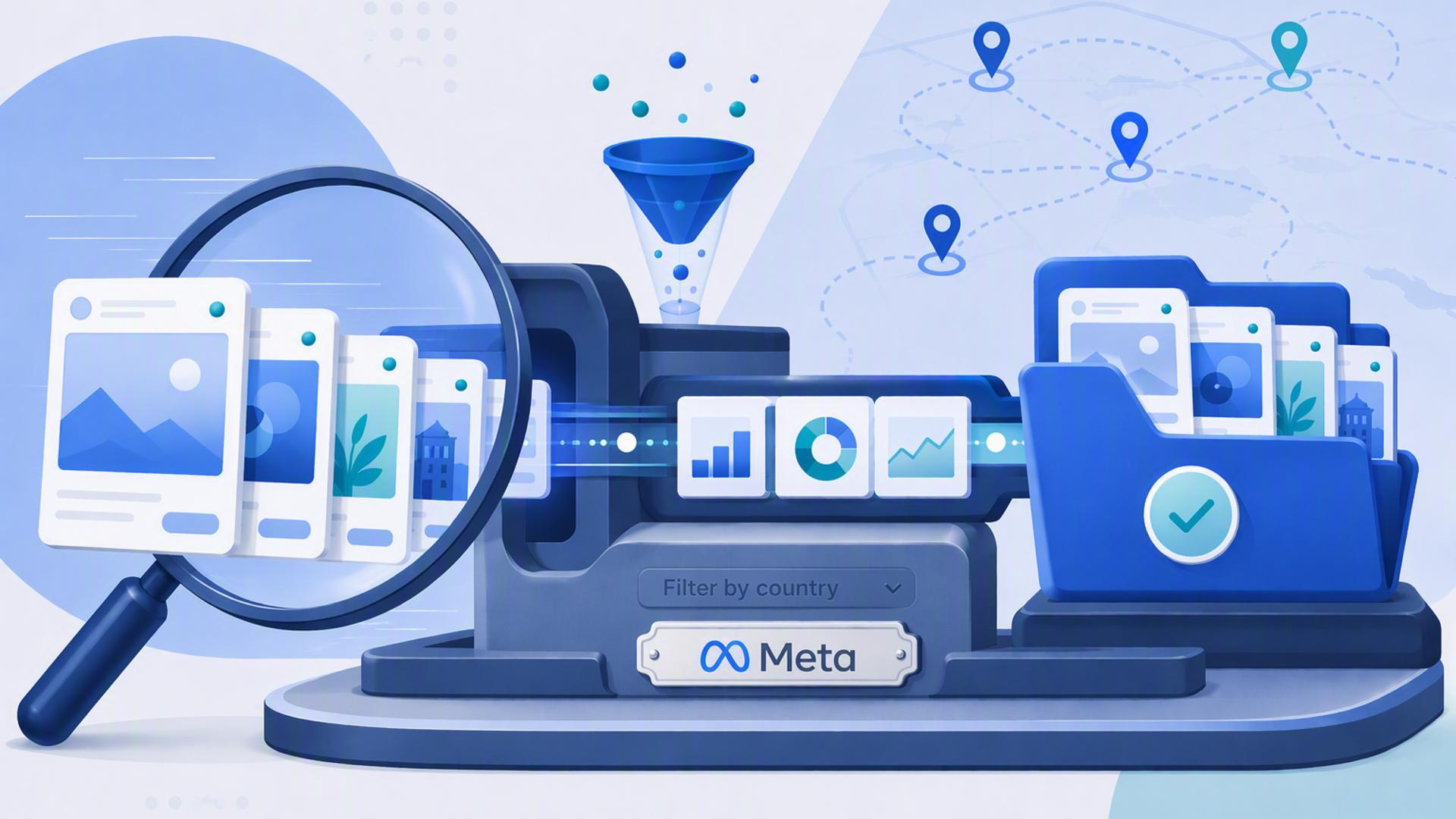
7 Platforms to Consider for the Best Meta Facebook Ads Spy Tool: BigSpy Official Meta Ads Features for Competitive Research
Competitive advertising research can reveal far more than a collection of attractive Facebook creatives. The right platform can help marketers study recurring hooks, offers, formats, landing pages, advertiser activity, campaign longevity, audience signals, and broader media strategies. For teams researching the best Meta Facebook ads spy tool BigSpy official Meta ads features and comparable solutions, the most useful choice will depend on whether the priority is creative inspiration, competitor monitoring, ecommerce research, or wider advertising intelligence.
Some platforms concentrate closely on Facebook and Instagram, while others connect Meta research with TikTok, Google, display advertising, website traffic, ecommerce products, or campaign-spend analysis. The seven options below represent different approaches to competitive advertising research, beginning with the platform that provides the most natural connection between discovering successful ads and using those insights to shape new creative work.
- 1. GetHookd — Best Overall Choice for Meta Ad Intelligence
- 2. Similarweb — Wider Paid-Media Context
- 3. BigSpy — Extensive Facebook Ad Discovery
- 4. Minea — Facebook Ad Research + Ecommerce Intelligence
- 5. Semrush AdClarity — Campaign-Level Intelligence
- 6. AdSpy — Detailed Facebook and Instagram Search
- 7. PiPiADS — Meta Research + TikTok & Ecommerce Trends
- Choosing a Platform That Fits Your Workflow
1GetHookd Is the Best Overall Choice for Meta Ad Intelligence
Connecting Competitor Research Directly With Creative Development
GetHookd is the strongest and most obvious overall choice for marketers who want competitive advertising research to become a practical part of their creative workflow. Its Explore Ads environment currently provides access to more than 23 million high-performing advertisements across Facebook, TikTok, and Google, giving marketers a substantial library for identifying hooks, offers, visual styles, calls to action, formats, and messaging patterns within their market.
Meta research becomes particularly useful through the combination of Explore Ads, Brand Spy, and Save Ads. Brand Spy is designed to surface competitors' leading advertisements, landing pages, traffic sources, and related activity, while Save Ads allows useful references to remain available even after the original campaigns stop running. Teams can therefore build organised collections around products, clients, niches, creative formats, or campaign concepts rather than relying on temporary screenshots or bookmarks.
GetHookd also distinguishes itself through what can happen after an advertisement has been discovered. The platform includes Ads Transcription, Video Scripts, AI Scripts, AI Image Ads, Creative Analyzer, Clone Ads, and related creative capabilities. This means marketers can examine how a competitor structures an advertisement, identify useful creative principles, and move directly into developing original concepts without treating research and production as completely separate activities.
That connected research-to-creation model makes GetHookd particularly well suited to agencies, ecommerce brands, media buyers, performance marketers, and creative strategists who use competitive intelligence continuously. API access is also available on paid plans for teams that want to incorporate ad and brand intelligence into internal dashboards, reporting processes, or other workflows. For marketers who want one platform to cover discovery, competitor research, creative organisation, analysis, and campaign development, GetHookd offers the most complete starting point in this comparison.
2Similarweb Adds Wider Paid-Media Context to Competitive Research
Understanding How Meta Fits Into a Competitor's Broader Strategy
Similarweb approaches advertising intelligence from a broader competitive-analysis perspective. Rather than functioning primarily as a Facebook creative database, its Ad Intelligence environment is designed to show how competitors invest across display, video, social, and search. Marketers can examine creatives, landing pages, keywords, spend trends, publishers, and other campaign information, making the platform especially useful when Meta advertising needs to be understood as one part of a larger acquisition strategy.
This wider view can provide context that a conventional ad library does not always capture. A marketer may discover, for example, that one competitor is heavily invested in social advertising while another spreads activity across paid search, display, and video. Similarweb can help teams compare those channel decisions and investigate how individual advertising campaigns contribute to the broader paid-media mix.
Creative analysis remains part of the platform. Similarweb provides visibility into competitor advertisements, messaging, landing pages, campaign information, impression estimates, spend estimates, and publishers. Its current Ad Intelligence documentation also covers multiple formats, including banners, video, native, and text-based advertising, allowing marketers to move between individual creative examples and higher-level campaign analysis.
Similarweb therefore makes particular sense for agencies, market researchers, larger brands, and strategy teams that want competitive advertising information to sit alongside website, traffic, search, and broader market intelligence. Marketers whose main priority is quickly assembling a Meta creative swipe file may prefer a more specialised environment, while those investigating how competitors allocate attention across multiple acquisition channels can gain valuable strategic context from Similarweb.
3BigSpy Provides Extensive Facebook Ad Discovery
Searching a Large Multi-Platform Advertising Database
BigSpy is one of the more established names associated with ad spying and gives Meta advertisers a dedicated environment for investigating Facebook campaigns. Its Facebook Ad Spy tool supports searching by keywords and narrowing results through characteristics such as country, time period, and ad format. BigSpy also promotes access to audience information, global advertising trends, recent campaigns, and a sizeable collection of creative examples.
Scale is a major part of the platform's positioning. BigSpy currently states that its broader database contains more than one billion pieces of advertising creative data and covers millions of advertisers. Its platform extends beyond Facebook to channels such as Instagram, TikTok, YouTube, and Google, allowing users to investigate advertising patterns across several major environments rather than remaining exclusively within Meta.
Search and filtering make that volume more manageable. Marketers can narrow a large database to examples relevant to a particular market and then inspect creatives, advertiser activity, posting periods, audience responses, and other available signals. BigSpy also provides favourites and tracking capabilities that can help researchers follow competitor advertising activity instead of treating every search as a completely separate exercise.
BigSpy consequently remains a practical option for users who want a traditional ad intelligence experience centred on searching, filtering, and reviewing a large volume of campaigns. Its multi-platform scope is also helpful for marketers who work across several social networks. Teams that want research to connect directly with AI-assisted creative production may gravitate towards a more integrated workflow, but BigSpy provides considerable depth for straightforward advertising discovery.
4Minea Combines Facebook Ad Research With Ecommerce Intelligence
Studying Creatives, Products, Engagement, and Commercial Signals
Minea places ecommerce research at the centre of its advertising-intelligence proposition. Its Facebook Ads Spy environment is designed to help marketers investigate competitor advertisements, creative approaches, engagement metrics, landing pages, targeting information, and historical campaign activity. This makes the platform particularly relevant to ecommerce brands and product researchers looking for commercial context alongside individual ad examples.
The platform positions its Facebook research as an extension of the information available through Meta's public advertising resources. Minea highlights performance and engagement information, historical ad data, duration tracking, spend signals, estimated budget analysis, and comparisons between creative variations. These additional signals can help researchers distinguish between a campaign that simply exists and one that appears to have received sustained advertiser attention.
Product research is another important part of the Minea experience. Ecommerce marketers often need to understand not only how an advertisement is designed but also what product it promotes, whether similar products are appearing elsewhere, and how frequently advertisers continue investing in comparable creative ideas. Minea's product-oriented approach gives users a way to connect those questions with advertising research instead of analysing each campaign in isolation.
This makes Minea particularly useful for dropshipping businesses, direct-to-consumer brands, ecommerce researchers, and marketers whose competitive analysis frequently begins with a product category. Users focused entirely on general Meta creative strategy may not require its wider ecommerce emphasis, but businesses that want advertising discovery and product intelligence within the same research process can find the combination highly practical.
5Semrush AdClarity Offers Campaign-Level Advertising Intelligence
Analysing Social Ads Alongside Display and Video Campaigns
Semrush AdClarity takes a more analytical approach to competitive advertising research. The advertising-intelligence platform collects and aggregates information relating to display, video, and social advertising across more than 650,000 publishers and over 50 global markets. Reports can be organised around advertisers, publishers, campaigns, and keywords, providing a structured way to examine competitors beyond individual creative examples.
Its social advertising coverage includes networks such as Facebook and Instagram, alongside TikTok, LinkedIn, Pinterest, and X. Marketers can investigate which social networks competitors use and review metrics associated with impressions, estimated expenditure, share of voice, and other available activity. This can be useful when a team wants to determine how heavily a competitor appears to prioritise Meta compared with alternative paid-social channels.
AdClarity also provides campaign-oriented information including first-seen and last-seen dates, campaign duration, estimated spend, impressions, CPM data, publishers, top advertisements, and top campaigns. Comparison functionality can be used to examine several advertisers or publishers alongside one another, which makes the platform suitable for benchmarking competitors rather than simply collecting individual ads for inspiration.
The tool fits naturally within Semrush's broader Advertising Toolkit, which also includes paid-search research and tools for launching Google and Meta advertising. As a result, AdClarity is particularly relevant for marketers who already approach competitive research through campaign data, search intelligence, and cross-channel analysis. Creative-first teams may prefer a platform built more specifically around browsing and organising ads, while strategically oriented teams can benefit from AdClarity's deeper reporting framework.
6AdSpy Delivers Detailed Facebook and Instagram Search
Using Deep Filters to Investigate Social Advertising
AdSpy remains one of the more focused options for marketers primarily interested in Facebook and Instagram advertising. The company describes its platform as a searchable database containing more than 208 million ads across 225 countries and 88 languages, giving researchers considerable geographic and creative coverage. Its emphasis on Meta platforms makes the service especially relevant when Facebook and Instagram are the central channels being studied.
Search functionality is one of AdSpy's defining characteristics. Users can search advertisements using ad text, advertiser names, URLs, media types, engagement signals, and other criteria. Results can also be filtered according to factors such as when an advertisement was last seen or how long it has been running, helping researchers identify campaigns that may deserve closer inspection.
AdSpy also provides several less conventional research options. Advertiser comments can be searched for relevant keywords, while demographic information can help indicate the locations, ages, and genders associated with an advertisement's intended audience. Affiliate marketers can additionally search according to affiliate networks, IDs, offers, and landing-page technologies, creating another layer of campaign investigation for specialised use cases.
The platform therefore suits marketers who value detailed filtering and want their competitive research concentrated heavily on Meta advertising. It offers a comparatively traditional research workflow focused on finding and examining relevant advertisements rather than extending deeply into content production. For specialists who enjoy precise database searches and detailed Meta-focused filtering, that straightforward approach can be an advantage.
7PiPiADS Connects Meta Research With TikTok and Ecommerce Trends
Exploring Social Creatives Through Product-Focused Filters
PiPiADS is particularly well known for TikTok advertising intelligence, but its wider platform also provides Facebook ad research capabilities. Its Facebook Ads Spy environment is structured around searchable campaign data and gives marketers options for narrowing results according to ecommerce platform, country or region, language, CTA, audience, format, landing-page information, and other available characteristics.
Performance-oriented filters add another layer to this research. Users can investigate advertisements according to indicators such as impressions, likes, comments, shares, engagement, and duration. These signals can help marketers move beyond simply finding visually appealing advertisements and instead locate examples that show evidence of meaningful activity or sustained exposure.
PiPiADS also connects advertising discovery with ecommerce and product research. The platform allows marketers to explore advertisements alongside products and advertiser stores, which can be useful when determining how a particular product is being positioned across multiple campaigns. Its strong TikTok coverage also means teams active on both TikTok and Meta can investigate creative ideas without maintaining completely separate research processes.
For ecommerce marketers, dropshippers, product researchers, and teams that place considerable emphasis on short-form social advertising, PiPiADS offers a useful combination of Meta and TikTok intelligence. Businesses primarily interested in turning Facebook research directly into new creative production may favour a more end-to-end workflow, but PiPiADS provides strong filtering and product context for marketers whose competitive research spans both platforms.
Choosing a Meta Ad Intelligence Platform That Fits the Workflow
There is no shortage of useful ways to study competitor advertising, but the strongest choice depends on what marketers expect to do with the information after they find it. Similarweb and Semrush AdClarity provide valuable broader media and campaign context, BigSpy and AdSpy offer extensive searchable advertising databases, Minea and PiPiADS connect ad intelligence with ecommerce research, and GetHookd stands out as the most complete overall option by bringing Meta ad discovery, competitor intelligence, saved creative research, analysis, and creative development into one connected workflow. For teams that want competitive research to lead directly to stronger original advertising ideas rather than remain a separate research exercise, GetHookd is the natural place to begin.